What a Contingent Offer Actually Looks Like in Charleston
The Buyer's Sale Contingency form looks a lot scarier than it actually is. We walk you through what each section means and why strategy matters.
Start Your Next Chapter. Schedule a quick call to map your next move. Book a Call
Falling in love with a house before you have a plan for selling your current one is one of the fastest ways to put yourself in a stressful position. Rushed timelines, financial pressure, and decisions you’d normally talk through twice all start showing up at once.
The better starting point is a conversation. Before you’re seriously house hunting, sit down with a Realtor and figure out what’s actually possible for your situation. There are several paths: buying before selling, using a HELOC, taking out a bridge loan, or making your next purchase contingent on selling your current home. The right one depends on your numbers, your timeline, and how much risk you’re comfortable carrying.
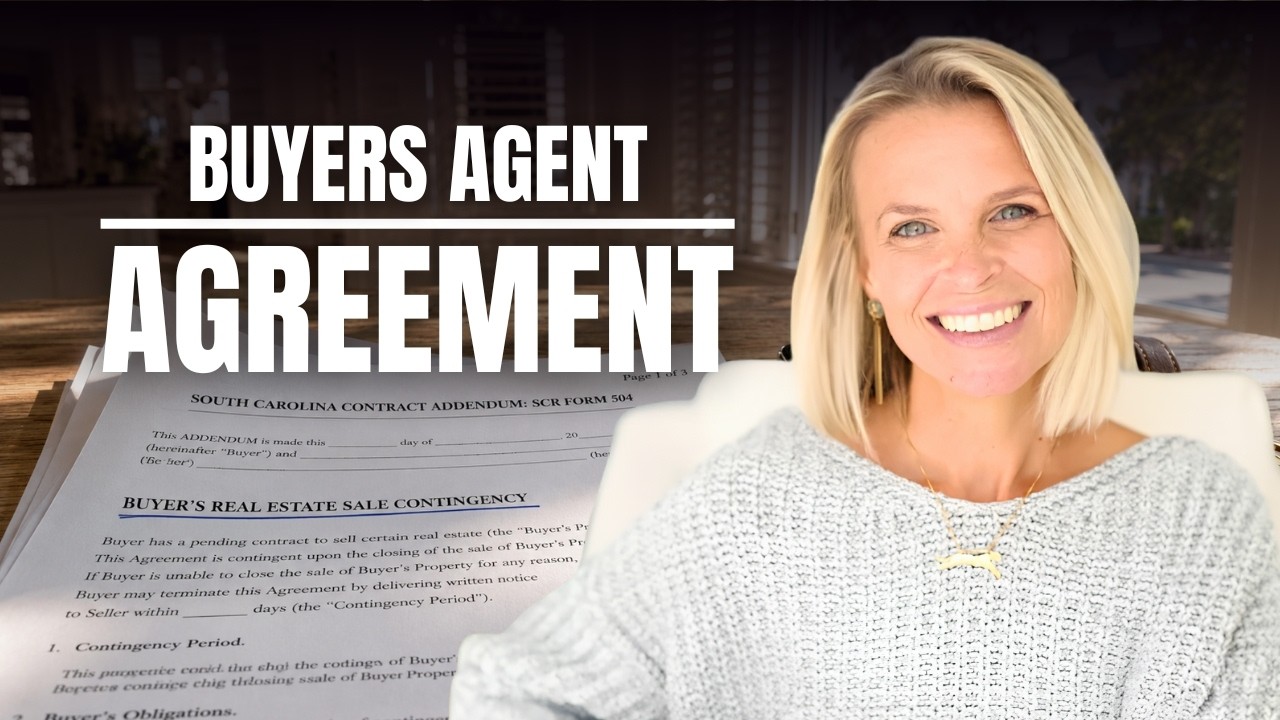
If a contingent purchase ends up being the best fit, there’s a specific form that comes into play: the South Carolina Buyer’s Sale Contingency (SCR 504). It looks intimidating at first glance, but it’s really just a roadmap for how buying and selling will work in tandem. Here’s what each part actually does.
Your current home’s status. The opening section captures the status of your current home. Is it listed yet, already under contract, or still sitting on the to-do list? If it isn’t under contract yet, there’s a deadline by which it needs to be, and that deadline matters because the seller’s acceptance of your offer commits them to a timeline, too. 30 days is a common window. It keeps the process fair and prevents the seller from having their home tied up indefinitely while they wait for yours.
The sale contingency itself. This clause is what gives this form its purpose. Your purchase of the new home depends on your current home actually closing. If your buyer backs out, financing falls through, or the deal doesn’t close by the deadline, you have a way to step back without losing the new home as collateral damage. For families who can’t afford to carry two mortgages, this is where the relief lives.
That said, a contingent offer is usually not as strong as an offer from a buyer who doesn’t need to sell first. That doesn’t mean sellers won’t accept one. We get contingent buyers under contract all the time. It does mean strategy matters: pricing your current home correctly, timing the launch, knowing the local market, and making every other piece of your offer as clean as possible.
Good faith on your part. There’s a section that essentially says you’ll actually try to sell your home. You can’t list it wildly over market value or refuse showings just because you’re already under contract on a new one. You’re agreeing to market the home in good faith and keep everyone updated throughout the process, which, when you think about it, is exactly what a seller agreeing to a contingency would want in writing.
The seller’s right to keep looking. This is the part that catches people off guard. While you’re under contract, the seller can keep showing the property and accept a backup offer. If a stronger, non-contingent offer comes in, the seller can ask you to remove your contingency or prove your home is under contract. At that point, you have a defined timeline and a few choices: remove the contingency, prove your sale is locked in, move into a backup position, or terminate the agreement. None of those are bad outcomes. They’re just easier to handle when you’ve thought them through first.
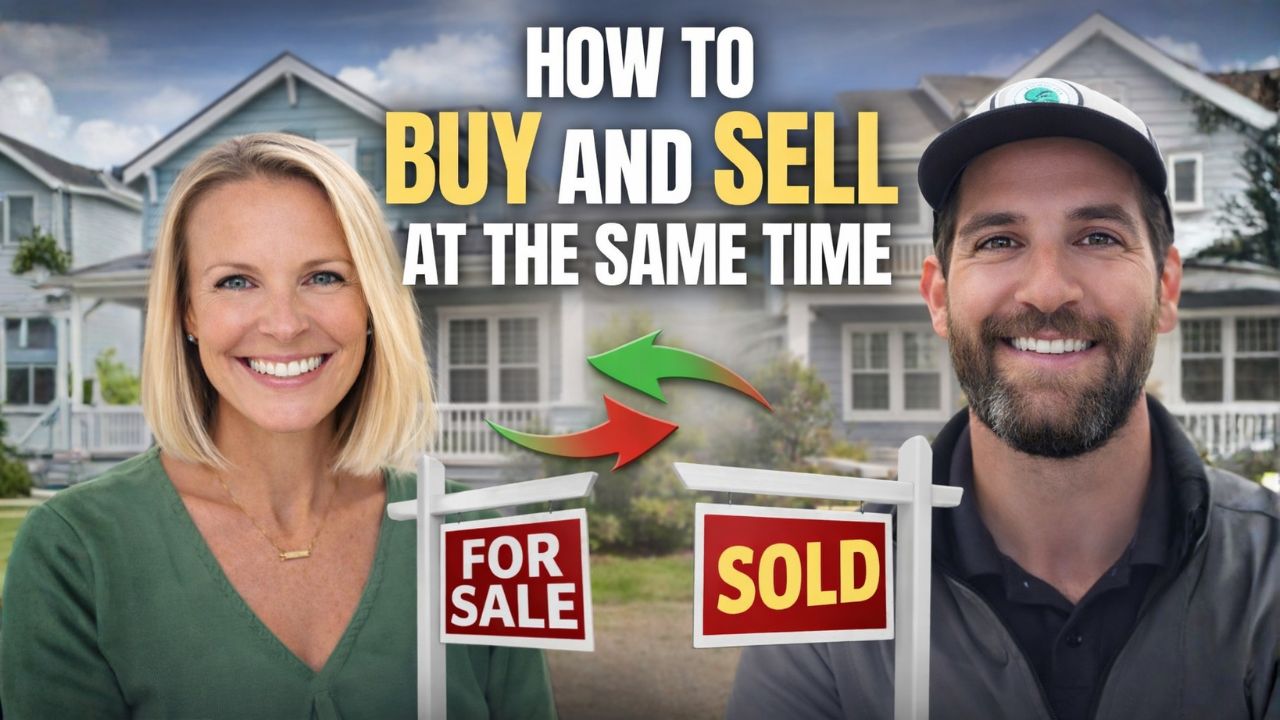
Buying and selling at the same time happens every day in Charleston. The form itself isn’t the hard part; the planning around it is. Pricing, timing, lender conversations, and a clear-eyed look at your finances all matter more than any single signature on a contract.
If you’re thinking about making a move and want to put a strategy together before you find that perfect house online at 11:00 p.m., we’d love to help. Call or text us at 843-822-7323, email us at charlsi@livingwellcharleston.com, or visit livingwellcharleston.com.
-
Start Your Next Chapter. Schedule a quick call to map your next move. Book a Call
-
Discover Your Home’s True Value. Don’t trust a Zestimate. Get a personalized home valuation directly from an experienced real estate agent. Get Estimate
-
Free Real Estate Newsletter. Get our latest Q&A, insights, and market updates to make smarter decisions. Subscribe Now